PIVD (Slip Disc) Rehabilitation in Bommanahalli, Bengaluru: A Non-Surgical Path to Back Pain Recovery
Slip Disc Rehabilitation · Bengaluru PIVD (Slip Disc) Rehabilitation in Bommanahalli, Bengaluru: A Non-Surgical Path to Back Pain Recovery Learn about slipped discs, lower back pain, sciatica and how a personalised physiotherapy programme may support movement and recovery. Book a Physiotherapy Assessment Monday–Saturday: 9 AM–9 PM | Sunday: 9 AM–3 PM | +91 81055 86320 Back pain that travels into the buttock or leg can make everyday activities difficult. In some people, these symptoms may be associated with a spinal disc problem known as PIVD or a slipped disc. If you are searching for PIVD rehabilitation therapy in Bengaluru, understanding the condition and getting an appropriate assessment are important first steps. Physiotherapy may help selected individuals improve movement, strength and daily function without immediately resorting to surgery. What Is PIVD or a Slipped Disc? PIVD stands for prolapsed intervertebral disc. It is commonly described as a slipped disc, herniated disc or disc prolapse. The spinal column contains bones called vertebrae, with cushioning discs between them. These discs help absorb forces and allow the spine to move. A disc contains a softer inner material surrounded by a tougher outer layer. When disc material extends beyond its usual boundary, it may irritate or press against nearby structures, including spinal nerves. This can contribute to pain, tingling, numbness or weakness, depending on the location and extent of the problem. A disc bulge or herniation seen on an MRI does not automatically mean that it is the cause of someone’s pain. Imaging findings need to be considered alongside symptoms and a clinical examination. Common Symptoms of a Slip Disc Symptoms can differ depending on which part of the spine is affected and whether a nerve is irritated. Some people experience back discomfort alone, while others notice symptoms extending into one or both legs. Pain in the lower back that may increase during certain movements Pain travelling from the lower back or buttock into the thigh or leg Tingling or pins-and-needles sensations in the leg or foot Numbness or altered sensation in parts of the leg Difficulty sitting, standing, bending or walking comfortably Muscle weakness in the leg or foot in some cases Discomfort that affects sleep, work or daily activities These symptoms can have several possible causes. A proper medical or physiotherapy assessment helps determine what may be contributing to them. Why Does a Disc Problem Develop? Disc changes can develop gradually as part of the ageing process, although symptoms may become noticeable after a particular movement or activity. There is rarely one explanation that applies to everyone. Age-related changes: Spinal discs can lose some of their water content and flexibility over time. Repeated loading: Repeated physical demands may contribute to symptoms in some people. Sudden lifting or twisting: An unfamiliar or strenuous movement may trigger pain. Reduced physical conditioning: Lower levels of strength and activity may affect how comfortably a person performs daily tasks. Previous back problems: A history of back pain may be relevant when assessing current symptoms. Individual factors: Age, general health, work demands and other health conditions can influence symptoms and recovery. It is important not to assume that poor posture, sitting or lifting alone has caused a disc problem. A clinician should consider the full history and examination findings. Understanding Sciatica and Pain That Travels Down the Leg Sciatica is a term used to describe pain that follows the pathway of the sciatic nerve. It often starts around the lower back or buttock and may travel down the back or side of the leg. Some people also experience tingling, numbness or weakness. A lumbar disc herniation can irritate a nerve root and produce sciatica-like symptoms. However, not every case of leg pain is caused by a slipped disc. Other conditions can create similar symptoms, so an accurate assessment matters. People looking for sciatica physiotherapy should seek an individual evaluation before starting exercises or treatment. The choice of movement and rehabilitation approach depends on the symptoms, neurological findings and overall health. What Is Lumbar Disc Prolapse Rehabilitation? Lumbar disc prolapse rehab refers to a structured approach that may help a suitable person manage symptoms and gradually improve physical function. It is not a single exercise routine or a standard treatment that works the same way for everyone. A rehabilitation programme may focus on reducing activity limitations, improving comfortable movement, rebuilding strength and helping the person return to appropriate daily activities. The programme should be adjusted according to clinical findings and the person’s response. Depending on the assessment, rehabilitation may include: Education about the condition and symptom management Guidance on comfortable movement and daily activities Individualised mobility exercises where appropriate Progressive strengthening exercises Movement control and functional training Gradual return to work, walking and recreational activities Can a Disc Bulge Be Treated Without Surgery? Many people with disc-related back or leg symptoms are initially managed without surgery. Depending on the clinical situation, non-surgical care may include medical advice, appropriate activity modification, pain management and physiotherapy. For suitable patients, disc bulge treatment without surgery may involve a rehabilitation plan that aims to improve movement, strength and tolerance for daily activities. The plan should be based on an examination rather than a generic set of online exercises. However, non-surgical care is not appropriate for every situation. Severe or progressive neurological symptoms and certain other medical findings may require urgent specialist assessment. A doctor or spine specialist should guide decisions about investigations and whether surgery is necessary. Important: Physiotherapy cannot guarantee that a disc bulge will disappear or that surgery will never be needed. The aim of rehabilitation is to address symptoms and function where appropriate. Always follow the advice of your treating medical professional. How Slip Disc Physiotherapy May Support Recovery Slip disc physiotherapy focuses on understanding how the condition affects movement and daily life. It may be recommended as part of conservative care when the person’s symptoms and clinical findings make exercise-based rehabilitation suitable. Rather than focusing only on the painful area, a physiotherapist may assess the relationship between the lower
Myofascial Trigger Point Release Therapy in Bengaluru: Treating Muscle Knots and Chronic Muscle Pain
Muscle Pain & Rehabilitation · Bengaluru Myofascial Trigger Point Release Therapy in Bengaluru: Treating Muscle Knots and Chronic Muscle Pain Understand why muscle knots develop, how trigger point therapy works and how a personalized physiotherapy approach may help improve comfort and movement. Enquire About Physiotherapy Mon–Sat: 9 AM–9 PM | Sun: 9 AM–3 PM | +91 81055 86320 Do you often feel tight, tender areas around your neck, shoulders or upper back? These areas are commonly described as muscle knots. They may feel uncomfortable during movement, after long working hours or when pressure is applied. Myofascial trigger point release therapy in Bengaluru is a physiotherapy-related approach that may be considered for suitable people experiencing muscular tenderness and movement discomfort. Muscle discomfort can affect more than one part of the body. A tight area around the shoulder may make it difficult to turn your head comfortably, while persistent upper-back tension may affect desk work, exercise and everyday activities. Although people often call these areas knots, not every painful spot is a trigger point. Muscle pain can have several causes, which is why understanding the symptoms and getting an appropriate assessment is important before choosing a treatment approach. What Are Myofascial Trigger Points? Myofascial trigger points are commonly described as sensitive spots within a muscle or its surrounding connective tissue. When pressure is applied to a sensitive area, it may produce local tenderness and, in some cases, discomfort that is felt in another nearby or related area. People may describe trigger point-related discomfort as: A small, tender or tight area within a muscle. Discomfort when pressing a particular spot. Muscle soreness after repetitive activity. Tightness around the neck, shoulders or upper back. Reduced comfort during certain movements. Pain that seems to spread beyond the area being pressed. These symptoms are not enough to confirm a trigger point diagnosis. Similar discomfort can occur with other muscle, joint, nerve or medical conditions. A qualified professional can help assess the possible source. Why Do Muscle Knots Develop? Muscle tenderness and tight areas may develop in connection with repeated physical demands, muscular fatigue, prolonged positions or changes in activity. There is no single explanation that applies to everyone. Some possible contributing factors include: Long hours at a desk: Remaining in one position for extended periods may contribute to muscular fatigue and discomfort. Repetitive movements: Frequently performing the same movements at work, during exercise or at home can place repeated demands on particular muscles. Sudden increases in exercise: Increasing workout intensity or training volume too quickly may lead to muscle soreness. Physical overuse: Repeatedly using muscles without adequate recovery may contribute to discomfort. Previous injuries: Earlier musculoskeletal problems may influence movement patterns and activity tolerance. Limited movement variety: Spending most of the day in similar positions may reduce opportunities for normal movement. Identifying relevant factors can help guide a rehabilitation plan. Simply pressing or massaging a painful area may not address the reasons the discomfort keeps returning. Common Areas Affected by Myofascial Muscle Pain Muscle tenderness can occur in different parts of the body. The location and pattern of symptoms may help guide a physiotherapy assessment. Neck and Upper Trapezius People who spend long periods working on computers or looking down at mobile devices may report tightness around the neck and upper shoulders. The discomfort may become more noticeable towards the end of a working day. Upper Back and Shoulder Blades Sensitive areas around the upper-back muscles may cause discomfort during desk work, lifting or certain shoulder movements. Upper back and shoulder knots may need assessment to distinguish muscular tenderness from shoulder joint or spinal problems. Lower Back Muscle discomfort around the lower back may occur after lifting, repetitive physical work or prolonged activity. However, lower-back pain has many possible causes, so it should not automatically be attributed to trigger points. Hips and Gluteal Muscles Some people experience tenderness around the hip and gluteal muscles after prolonged sitting, exercise or repetitive activity. Symptoms in this region can overlap with other conditions and may require a more detailed assessment. What Is Myofascial Pain Syndrome? Myofascial pain syndrome is a term used for a musculoskeletal pain condition associated with sensitive areas in muscles and surrounding tissues. People may experience ongoing or recurring discomfort, tenderness and limitations in certain activities. Symptoms can vary depending on the affected region and the individual. Some people report local pain, while others notice discomfort during particular movements or pressure on a sensitive area. When symptoms persist, an assessment can help determine whether myofascial pain syndrome treatment is an appropriate consideration or whether another condition may be responsible. A useful treatment plan should consider the person’s overall movement, strength, activity levels and daily routine rather than focusing only on one painful spot. How Does Trigger Point Therapy Work? Trigger point therapy refers to techniques used to address sensitive muscle areas. Depending on the assessment, a physiotherapist may consider hands-on pressure, soft tissue techniques, movement exercises or other rehabilitation methods. The purpose is to help manage discomfort and support better movement. The technique selected should be appropriate for the person’s symptoms, health history and comfort level. Manual Pressure Techniques A practitioner may apply controlled pressure to selected soft tissue areas. The amount of pressure and duration should be adjusted to the individual’s tolerance. More pressure does not necessarily mean better results. Soft Tissue Mobilisation Hands-on techniques may be used to work with muscles and surrounding soft tissues. These approaches may form one part of a wider physiotherapy programme. Movement and Stretching Appropriate movement exercises may help improve comfort and restore confidence in everyday activities. The choice of exercise depends on the area involved and the person’s physical condition. Strengthening and Activity Guidance Exercises that improve strength, endurance and movement control may help address some of the factors contributing to recurring muscular discomfort. Muscle Knot Release: What Should You Expect? Muscle knot release is a phrase commonly used to describe techniques aimed at reducing tenderness and improving comfort in sensitive muscle areas. During a session, the
Neck Pain from Long Work Hours? Cervical Spondylosis Rehabilitation in Bommanahalli, Bengaluru
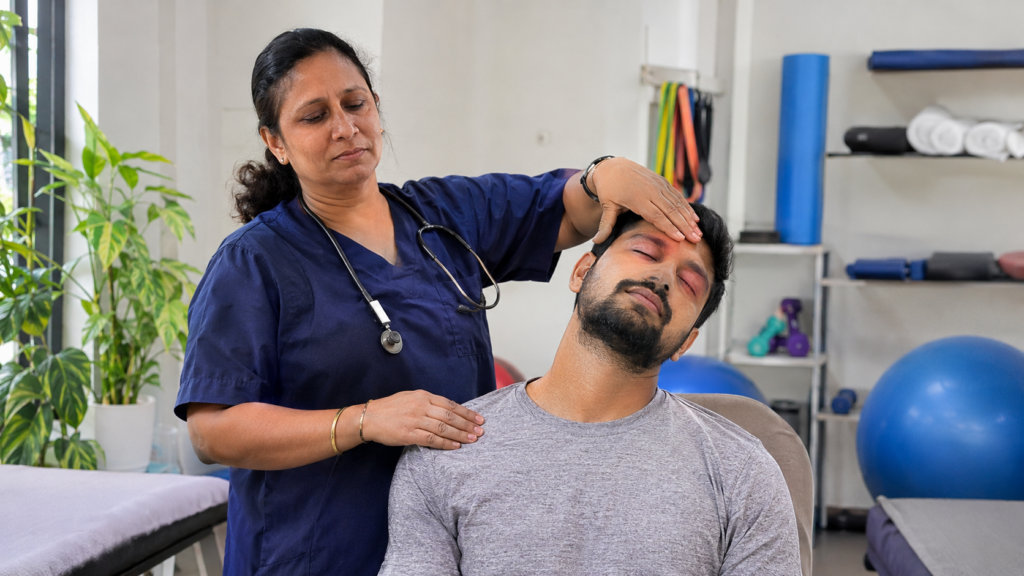
Neck Pain Rehabilitation · Bengaluru Neck Pain from Long Work Hours? Cervical Spondylosis Rehabilitation in Bommanahalli, Bengaluru Understand why neck pain and stiffness develop, how cervical spondylosis affects daily life and how a personalized physiotherapy programme may support better movement. Book a Physiotherapy Consultation Mon–Sat: 9 AM–9 PM | Sun: 9 AM–3 PM | +91 81055 86320 Do you experience neck stiffness, shoulder discomfort or difficulty turning your head after spending hours working on a computer? These symptoms can have several causes, including muscle strain, prolonged static positions and age-related changes in the cervical spine. If you are searching for cervical spondylosis physiotherapy in Bengaluru, understanding the condition and getting an appropriate assessment can be useful first steps. Neck discomfort can gradually become part of everyday life for people who work at desks, use mobile phones frequently or spend long periods driving. Initially, the symptoms may seem minor. Over time, however, stiffness or pain may begin to interfere with work, sleep, exercise and routine activities. Cervical spondylosis is one possible reason for persistent neck symptoms. The right approach depends on the underlying cause, the person’s symptoms and whether nerves or other structures are involved. Physiotherapy may form part of a non-surgical management plan for suitable individuals. What Is Cervical Spondylosis? The cervical spine is the upper portion of the backbone and consists of seven vertebrae in the neck. Discs, joints, ligaments and surrounding muscles work together to support the head and allow neck movement. Cervical spondylosis describes age-related changes in the cervical spine. These may involve the discs, small joints and nearby bone structures. Such changes are common as people get older, and some individuals may have them without experiencing any symptoms. When symptoms do occur, they can include neck pain, stiffness, reduced movement and sometimes discomfort extending towards the shoulder or arm. If nerves are affected, a person may also experience tingling, numbness or weakness. It is important to remember that not every episode of neck pain is caused by cervical spondylosis. A proper clinical assessment helps identify what may be contributing to the symptoms. Why Do Long Working Hours Contribute to Neck Discomfort? Many professionals spend a large part of the day working on laptops, desktop computers and mobile devices. Remaining in one position for extended periods can increase muscular fatigue and contribute to discomfort. Common work-related habits that may contribute to neck symptoms include: Extended computer use: Working for several hours without changing position or taking movement breaks. Screen positioning: Looking down or repeatedly turning the head towards a poorly positioned monitor. Mobile phone use: Keeping the head bent forward while reading or typing on a phone. Insufficient movement: Staying seated for long periods without regular physical activity. Workstation arrangement: Using a chair, desk or monitor setup that makes comfortable working positions difficult. Muscle fatigue: Repeatedly maintaining the same position without adequate recovery. These habits do not automatically cause cervical spondylosis, but they may contribute to neck discomfort or make existing symptoms more noticeable. Improving daily movement habits can be a useful part of managing symptoms. Common Symptoms of Cervical Spondylosis Symptoms vary from person to person. Some people experience occasional stiffness, while others may have persistent discomfort or symptoms involving the shoulders and arms. Possible symptoms include: Neck pain or discomfort that may increase after prolonged activity. Stiffness when turning or tilting the head. Reduced neck movement, particularly after waking up or sitting for long periods. Shoulder or upper-back discomfort. Headaches that may be associated with neck problems. Pain, tingling or numbness extending into an arm when a nerve is involved. Muscle weakness in the arm or hand in some cases. Symptoms such as arm weakness, changes in balance or difficulty with hand coordination need medical evaluation. They should not simply be treated as ordinary muscle stiffness. When Should You Consider Neck Pain Physiotherapy? Mild neck discomfort may sometimes settle with appropriate activity modification and time. However, if symptoms continue, return frequently or interfere with your daily routine, a professional assessment may be helpful. Consider discussing neck pain physiotherapy with a qualified professional if you experience: Recurring neck pain or stiffness. Difficulty turning your head comfortably. Neck discomfort after working at a computer. Shoulder tightness that affects everyday activities. Reduced tolerance for driving, reading or desk work. Difficulty returning to normal exercise or physical activity. Important health information: Seek prompt medical assessment for new or worsening arm or leg weakness, numbness, balance or walking difficulties, or problems with hand coordination. Neck pain after a significant injury also requires medical evaluation. Sudden severe symptoms or new loss of bladder or bowel control require urgent medical attention. How Physiotherapy May Help With Cervical Spondylosis Physiotherapy aims to improve movement and physical function while addressing factors that may contribute to discomfort. It is not a one-size-fits-all treatment. The programme should be based on the person’s symptoms, assessment findings and goals. Depending on the individual’s condition, rehabilitation may involve: 1. Neck Mobility Exercises Gentle, appropriate movement exercises may help maintain or improve comfortable neck movement. The range and type of movement should be selected according to the person’s symptoms. 2. Strengthening Exercises Exercises for the neck, shoulders and upper-back muscles may help improve muscular support and physical capacity. The exercise level should be progressed gradually. 3. Posture and Movement Education Understanding how workstation habits and prolonged positions affect comfort can help people make practical changes throughout the day. 4. Manual Therapy When Appropriate A physiotherapist may consider suitable hands-on techniques as part of a broader rehabilitation programme. The choice of technique depends on the assessment and should be appropriate for the person’s condition. 5. Activity Modification Guidance on work routines, movement breaks and returning to physical activities may help people manage symptoms while maintaining everyday function. For suitable patients, cervical spondylosis treatment without surgery may include physiotherapy alongside medical advice and other conservative care. The appropriate treatment plan depends on the clinical findings. Cervical Rehab Exercises: What May Be Included? Exercise is often an important part of rehabilitation. However,
Kinesiology Taping Therapy in Bommanahalli, Bengaluru: How It Supports Pain Relief and Faster Recovery
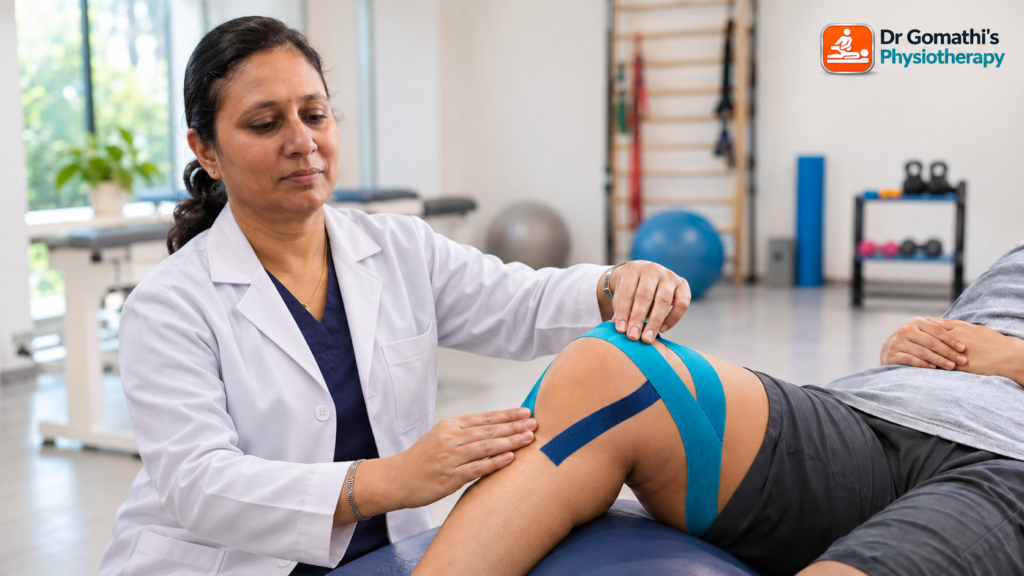
Physiotherapy and Rehabilitation | Bengaluru Kinesiology Taping Therapy in Bommanahalli, Bengaluru: Benefits, Uses and Role in Physiotherapy Recovery Understand how flexible therapeutic taping may support movement, provide sensory feedback and complement physiotherapy for knee, shoulder, back and sports-related concerns. Book Your Consultation Mon–Sat: 9 AM – 9 PM | Sun: 9 AM – 3 PM | +91 81055 86320 What is kinesiology taping therapy? Kinesiology taping is a physiotherapy technique that uses flexible elastic tape on selected body areas to provide sensory feedback and complementary support during movement. People experiencing joint discomfort, muscle-related concerns or sports injuries may be assessed to determine whether this technique is appropriate. If you are looking for kinesiology taping therapy in Bommanahalli, understanding its uses and limitations can help you make an informed decision about your rehabilitation. Unlike traditional rigid athletic tape, kinesiology tape is designed to stretch with the skin and allow a greater range of movement. It can be incorporated into selected physiotherapy programmes depending on the person’s symptoms and physical condition. At Dr. Gomathi’s Physiotherapy Clinic, individual assessment and suitable rehabilitation approaches are important considerations when planning physiotherapy care. Understanding Kinesiology Taping and Its Purpose Kinesiology tape is a specialised elastic adhesive tape used by physiotherapists as a complementary treatment technique. It is designed to move with the body rather than completely restricting the affected joint or muscle. The tape is applied to selected areas using different techniques depending on the individual’s needs. The application may provide sensory input through contact with the skin, helping individuals become more aware of particular movements. Kinesiology taping is commonly considered in rehabilitation involving selected knee, shoulder, back and sports-related conditions. Its potential purposes include: Providing additional sensory feedback during movement. Supporting confidence when performing selected activities. Complementing physiotherapy exercises. Offering temporary supportive feedback for certain musculoskeletal concerns. Supporting an individual’s rehabilitation plan when clinically appropriate. It is important to understand that research does not show consistent benefits for every condition. Taping should not replace appropriate assessment or rehabilitation. How Is Kinesiology Tape Applied? Applying kinesiology tape involves more than simply placing adhesive strips over an uncomfortable area. The application technique, tape direction, skin condition and intended purpose should all be considered. A physiotherapist generally begins by understanding the person’s symptoms and evaluating the relevant body movements. Common steps involved in the application Assessment: Understand the affected area, symptoms, movement restrictions and activity requirements. Skin preparation: Ensure that the application area is clean, dry and suitable for adhesive tape. Technique selection: Choose an appropriate application approach based on the assessment. Tape application: Apply the flexible tape with appropriate placement and tension. Movement evaluation: Check comfort and movement after application. Aftercare instructions: Explain skin care, activity guidance and safe tape removal. Kinesio Taping for Knee Pain and Mobility Support Knee discomfort can affect walking, climbing stairs, standing and participating in physical activities. Different factors may contribute to knee pain, including muscle weakness, overuse, previous injuries and changes in exercise routines. Kinesio taping for knee pain may be considered as a complementary technique for selected individuals after an appropriate assessment. Depending on the condition, tape may be applied around specific areas of the knee to provide sensory feedback during movement. When may knee taping be considered? During selected knee rehabilitation exercises. For some individuals experiencing movement-related discomfort. As a supportive technique during sports rehabilitation. When additional sensory feedback may help with movement awareness. Knee rehabilitation may also involve strengthening the surrounding muscles, improving movement control and gradually increasing physical activity. K-Tape for Shoulder Pain and Functional Movement The shoulder joint is involved in numerous everyday activities, including reaching, lifting, carrying and overhead movements. Shoulder discomfort can therefore affect both work and recreational activities. Repetitive movements, sports activities, muscle or tendon problems and previous injuries may contribute to shoulder symptoms. K-tape for shoulder pain may be used as a complementary technique in selected rehabilitation programmes to provide sensory feedback and support comfortable movement. Possible applications in shoulder rehabilitation Supporting movement awareness during shoulder exercises. Complementing selected mobility activities. Providing additional sensory feedback during functional movements. Supporting confidence when gradually returning to physical activities. The appropriate treatment depends on the underlying cause. Persistent shoulder pain, significant weakness or restricted movement should be evaluated by an appropriate healthcare professional. Taping for Back Pain and Everyday Movement Long working hours, prolonged sitting, repetitive movements and sudden physical exertion can contribute to back discomfort. Some people experience stiffness during bending, walking, standing or performing household activities. Taping for back pain may be considered in selected cases as an additional supportive technique within a broader physiotherapy programme. The purpose is not to permanently stabilise the back or cure the underlying problem. Instead, the tape may provide sensory feedback while allowing movement. What may be included in back pain rehabilitation? Assessment of spinal and related body movements. Exercises to improve core and supporting muscle strength. Mobility and flexibility activities. Guidance on maintaining regular physical activity. Gradual return to daily and recreational activities. A personalised physiotherapy programme can help identify suitable exercises and supportive techniques according to the individual’s condition. Sports Taping Physiotherapy for Athletes and Active Individuals Sports activities require repeated movements, strength, flexibility and coordination. Running, gym workouts, badminton, football and other physical activities can sometimes lead to muscle soreness, joint discomfort or injuries. Sports taping physiotherapy may incorporate kinesiology tape into selected rehabilitation programmes for people returning to exercise or sports. The treatment plan should be based on the type of activity, injury history and the individual’s current physical capacity. How sports rehabilitation may help Identifying movement limitations associated with symptoms. Improving strength and physical conditioning. Developing better movement control. Supporting progressive return to sports-specific movements. Providing guidance on appropriate training progression. Taping is not a substitute for injury assessment, and athletes should not use it to hide pain or continue an activity that could worsen an injury. Taping After Sports Injury: Supporting the Rehabilitation Process Sports injuries can interrupt regular training and make it difficult to return to normal physical activities.
What Is Triorigin Chronopuncture Therapy? Benefits, Process and Where to Get It in Bommanahalli, Bengaluru
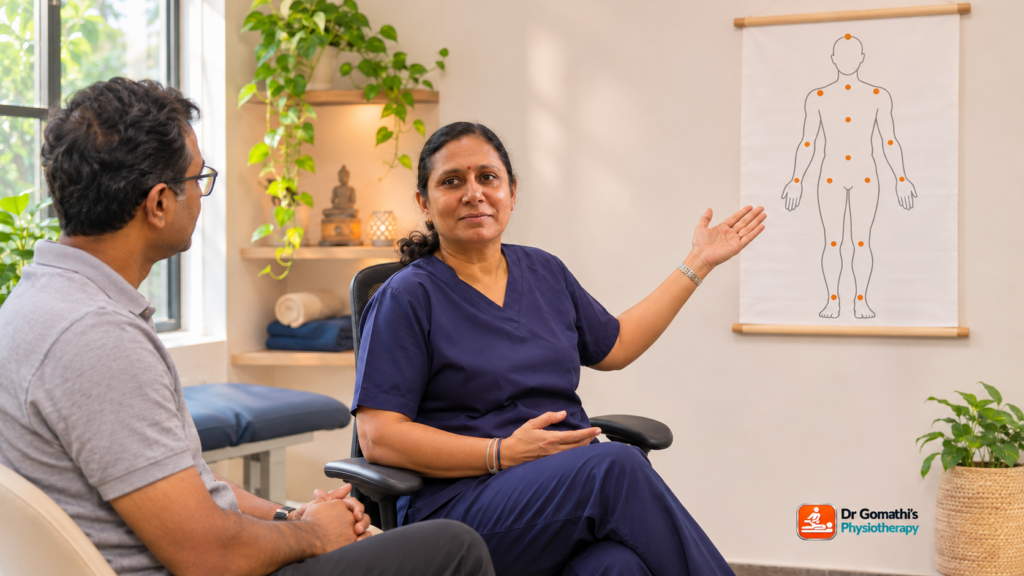
Complementary Wellness Guide What Is Triorigin Chronopuncture Therapy? Benefits, Process and Where to Get It in Bommanahalli, Bengaluru A clear introduction to this Sujok-associated approach, what a session may involve and questions to ask before you try a complementary therapy. Explore Clinic Services A practical guide for Bommanahalli and nearby Bengaluru residents Triorigin Chronopuncture therapy is a complementary approach associated with the Sujok system. It uses a time-based framework to guide the selection of points for stimulation. People may explore it as part of a broader wellness conversation, but it should not replace medical assessment, prescribed care or physiotherapy when those are needed. If you have come across triorigin chronopuncture therapy while researching complementary options, it helps to understand what the name refers to, how practitioners describe the process and what questions you can ask. The term combines “Triorigin,” a framework used within Sujok teachings, with “Chronopuncture,” which refers to considering time when selecting points. This guide explains the approach in plain language and shares how to ask about chronopuncture therapy in Bommanahalli. Evidence for this specific method is limited, so keep expectations measured and discuss any ongoing symptoms with a qualified healthcare professional. What Is Triorigin Chronopuncture Therapy? Sujok is a complementary system that uses correspondence maps of the hands and feet. Practitioners may stimulate selected points using different methods, depending on their training and the session offered. Chronopuncture applies a time-based way of thinking to the selection of points. The practitioner may ask when a concern began or use other details within the system’s framework to guide the session. The International Sujok Association describes Triorigin Chronopuncture as a method for considering temporal patterns when selecting points. This is a description of the system’s own framework; it does not establish that the method has been proven to diagnose or treat medical conditions. It is useful to distinguish this approach from conventional acupuncture. Acupuncture typically involves stimulating specific body points, often with fine needles. A Sujok or Chronopuncture session may use a different point map or technique. Ask the provider exactly what will happen before you agree to a session. What Are the Possible Benefits? People may be interested in complementary therapies for relaxation, general wellbeing or as an additional part of their personal care routine. However, the benefits of Triorigin Chronopuncture have not been established by strong, high-quality research. Experiences can differ, and no result should be promised. Research on some related complementary practices does not automatically prove that Chronopuncture works in the same way. For example, the U.S. National Center for Complementary and Integrative Health notes that evidence and safety vary by approach. Its information on acupuncture should not be treated as evidence for Triorigin Chronopuncture specifically. If you are considering this therapy for a symptom, ask what outcome the practitioner expects, how progress would be reviewed and when you should seek medical care. A complementary session should sit alongside appropriate healthcare, rather than delay it. Keep expectations realistic: Triorigin Chronopuncture is a complementary wellness approach. It is not a substitute for diagnosis, medication, medical procedures or a rehabilitation plan recommended by your healthcare provider. What May Happen During a Session? The details can vary by provider. Before the session, you should have an opportunity to explain your concern, share relevant health information and ask how the method will be applied. A responsible provider should describe the approach in a way you understand and give you the option to stop. Initial conversation: You discuss your main concern, general health and any care you are currently receiving. Explanation: The practitioner outlines the proposed approach, the points they intend to use and the type of stimulation involved. Consent: You can ask questions, raise concerns and decide whether you are comfortable proceeding. Session: The practitioner applies the method they have explained. Tell them if you feel discomfort or want to pause. Review: You can discuss how you felt afterward and whether any follow-up or other care is appropriate. A session may involve point stimulation on the hands or feet, but do not assume the exact method from the therapy name alone. Ask whether the session uses pressure, seeds, a tool, needles or another technique. If needles are proposed, ask about the practitioner’s qualifications, sterile single-use equipment and infection-control practices. Who Should Ask Extra Questions First? Tell the provider about your health history before any complementary session. This is especially important if you are pregnant, have a chronic condition, take regular medication, have a skin condition on the treatment area or are receiving care for a serious or worsening symptom. Ask how the method will be adapted to your health needs. Confirm whether any part of the session involves needles or skin penetration. Discuss the therapy with your doctor or treating clinician if you have concerns. Do not stop prescribed medication or treatment because you are trying a complementary approach. Seek prompt medical evaluation for new, severe or rapidly worsening symptoms. General information about complementary therapies and their safety is available from the National Center for Complementary and Integrative Health. Safety depends on the specific method and the person receiving it. How to Evaluate a Complementary Therapy Provider Before booking a session, look for clear answers about the provider’s training, the exact technique, hygiene practices and fees. You should be able to make an informed decision without pressure or promises of a guaranteed result. What training have you completed in this method? What will the session involve, and will it use needles? What should I expect to feel during and after the session? How do you decide whether this approach is suitable for me? Should I continue my current medical care or physiotherapy? What is the session fee, and how long does an appointment take? Clear communication matters. If an explanation is confusing, if the provider discourages medical care or if you feel pressured to purchase a package, pause and seek another opinion. Complementary Therapy and Physiotherapy Can Have Different Roles Physiotherapy focuses on assessing movement and function and may include