Kinesiology Taping Therapy in Bommanahalli, Bengaluru: How It Supports Pain Relief and Faster Recovery
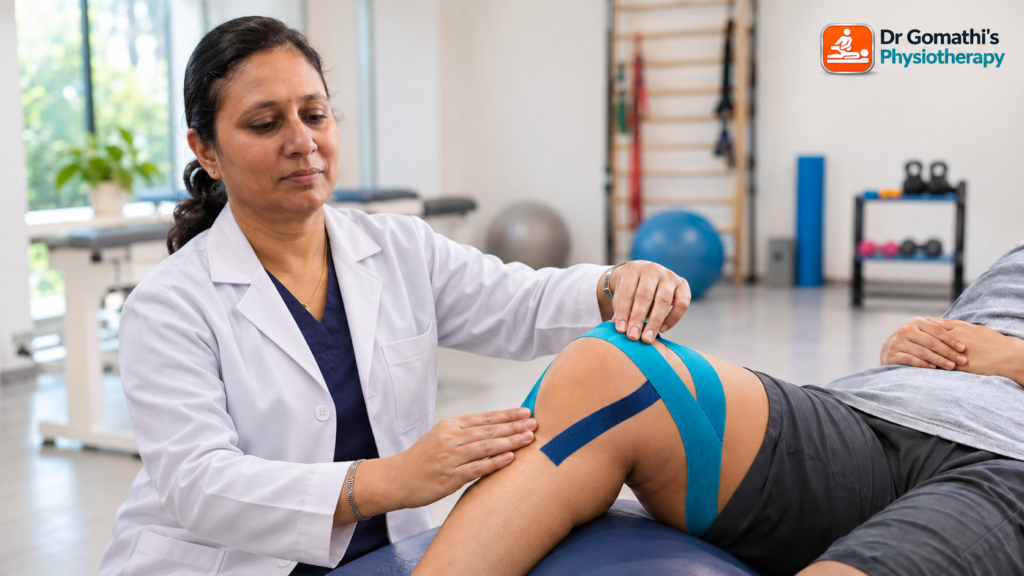
Physiotherapy and Rehabilitation | Bengaluru Kinesiology Taping Therapy in Bommanahalli, Bengaluru: Benefits, Uses and Role in Physiotherapy Recovery Understand how flexible therapeutic taping may support movement, provide sensory feedback and complement physiotherapy for knee, shoulder, back and sports-related concerns. Book Your Consultation Mon–Sat: 9 AM – 9 PM | Sun: 9 AM – 3 PM | +91 81055 86320 What is kinesiology taping therapy? Kinesiology taping is a physiotherapy technique that uses flexible elastic tape on selected body areas to provide sensory feedback and complementary support during movement. People experiencing joint discomfort, muscle-related concerns or sports injuries may be assessed to determine whether this technique is appropriate. If you are looking for kinesiology taping therapy in Bommanahalli, understanding its uses and limitations can help you make an informed decision about your rehabilitation. Unlike traditional rigid athletic tape, kinesiology tape is designed to stretch with the skin and allow a greater range of movement. It can be incorporated into selected physiotherapy programmes depending on the person’s symptoms and physical condition. At Dr. Gomathi’s Physiotherapy Clinic, individual assessment and suitable rehabilitation approaches are important considerations when planning physiotherapy care. Understanding Kinesiology Taping and Its Purpose Kinesiology tape is a specialised elastic adhesive tape used by physiotherapists as a complementary treatment technique. It is designed to move with the body rather than completely restricting the affected joint or muscle. The tape is applied to selected areas using different techniques depending on the individual’s needs. The application may provide sensory input through contact with the skin, helping individuals become more aware of particular movements. Kinesiology taping is commonly considered in rehabilitation involving selected knee, shoulder, back and sports-related conditions. Its potential purposes include: Providing additional sensory feedback during movement. Supporting confidence when performing selected activities. Complementing physiotherapy exercises. Offering temporary supportive feedback for certain musculoskeletal concerns. Supporting an individual’s rehabilitation plan when clinically appropriate. It is important to understand that research does not show consistent benefits for every condition. Taping should not replace appropriate assessment or rehabilitation. How Is Kinesiology Tape Applied? Applying kinesiology tape involves more than simply placing adhesive strips over an uncomfortable area. The application technique, tape direction, skin condition and intended purpose should all be considered. A physiotherapist generally begins by understanding the person’s symptoms and evaluating the relevant body movements. Common steps involved in the application Assessment: Understand the affected area, symptoms, movement restrictions and activity requirements. Skin preparation: Ensure that the application area is clean, dry and suitable for adhesive tape. Technique selection: Choose an appropriate application approach based on the assessment. Tape application: Apply the flexible tape with appropriate placement and tension. Movement evaluation: Check comfort and movement after application. Aftercare instructions: Explain skin care, activity guidance and safe tape removal. Kinesio Taping for Knee Pain and Mobility Support Knee discomfort can affect walking, climbing stairs, standing and participating in physical activities. Different factors may contribute to knee pain, including muscle weakness, overuse, previous injuries and changes in exercise routines. Kinesio taping for knee pain may be considered as a complementary technique for selected individuals after an appropriate assessment. Depending on the condition, tape may be applied around specific areas of the knee to provide sensory feedback during movement. When may knee taping be considered? During selected knee rehabilitation exercises. For some individuals experiencing movement-related discomfort. As a supportive technique during sports rehabilitation. When additional sensory feedback may help with movement awareness. Knee rehabilitation may also involve strengthening the surrounding muscles, improving movement control and gradually increasing physical activity. K-Tape for Shoulder Pain and Functional Movement The shoulder joint is involved in numerous everyday activities, including reaching, lifting, carrying and overhead movements. Shoulder discomfort can therefore affect both work and recreational activities. Repetitive movements, sports activities, muscle or tendon problems and previous injuries may contribute to shoulder symptoms. K-tape for shoulder pain may be used as a complementary technique in selected rehabilitation programmes to provide sensory feedback and support comfortable movement. Possible applications in shoulder rehabilitation Supporting movement awareness during shoulder exercises. Complementing selected mobility activities. Providing additional sensory feedback during functional movements. Supporting confidence when gradually returning to physical activities. The appropriate treatment depends on the underlying cause. Persistent shoulder pain, significant weakness or restricted movement should be evaluated by an appropriate healthcare professional. Taping for Back Pain and Everyday Movement Long working hours, prolonged sitting, repetitive movements and sudden physical exertion can contribute to back discomfort. Some people experience stiffness during bending, walking, standing or performing household activities. Taping for back pain may be considered in selected cases as an additional supportive technique within a broader physiotherapy programme. The purpose is not to permanently stabilise the back or cure the underlying problem. Instead, the tape may provide sensory feedback while allowing movement. What may be included in back pain rehabilitation? Assessment of spinal and related body movements. Exercises to improve core and supporting muscle strength. Mobility and flexibility activities. Guidance on maintaining regular physical activity. Gradual return to daily and recreational activities. A personalised physiotherapy programme can help identify suitable exercises and supportive techniques according to the individual’s condition. Sports Taping Physiotherapy for Athletes and Active Individuals Sports activities require repeated movements, strength, flexibility and coordination. Running, gym workouts, badminton, football and other physical activities can sometimes lead to muscle soreness, joint discomfort or injuries. Sports taping physiotherapy may incorporate kinesiology tape into selected rehabilitation programmes for people returning to exercise or sports. The treatment plan should be based on the type of activity, injury history and the individual’s current physical capacity. How sports rehabilitation may help Identifying movement limitations associated with symptoms. Improving strength and physical conditioning. Developing better movement control. Supporting progressive return to sports-specific movements. Providing guidance on appropriate training progression. Taping is not a substitute for injury assessment, and athletes should not use it to hide pain or continue an activity that could worsen an injury. Taping After Sports Injury: Supporting the Rehabilitation Process Sports injuries can interrupt regular training and make it difficult to return to normal physical activities.