PIVD (Slip Disc) Rehabilitation in Bommanahalli, Bengaluru: A Non-Surgical Path to Back Pain Recovery
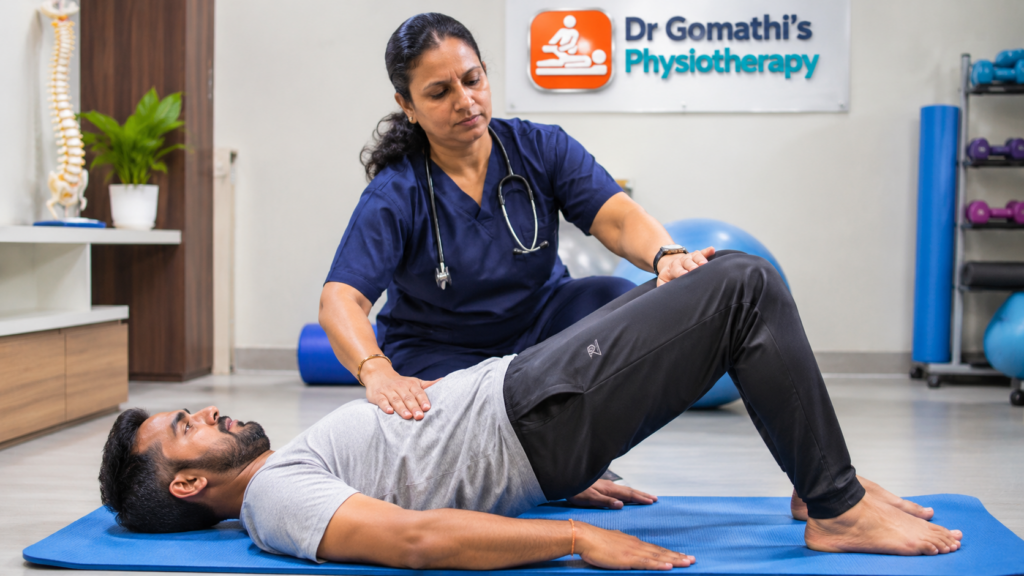
Slip Disc Rehabilitation · Bengaluru PIVD (Slip Disc) Rehabilitation in Bommanahalli, Bengaluru: A Non-Surgical Path to Back Pain Recovery Learn about slipped discs, lower back pain, sciatica and how a personalised physiotherapy programme may support movement and recovery. Book a Physiotherapy Assessment Monday–Saturday: 9 AM–9 PM | Sunday: 9 AM–3 PM | +91 81055 86320 Back pain that travels into the buttock or leg can make everyday activities difficult. In some people, these symptoms may be associated with a spinal disc problem known as PIVD or a slipped disc. If you are searching for PIVD rehabilitation therapy in Bengaluru, understanding the condition and getting an appropriate assessment are important first steps. Physiotherapy may help selected individuals improve movement, strength and daily function without immediately resorting to surgery. What Is PIVD or a Slipped Disc? PIVD stands for prolapsed intervertebral disc. It is commonly described as a slipped disc, herniated disc or disc prolapse. The spinal column contains bones called vertebrae, with cushioning discs between them. These discs help absorb forces and allow the spine to move. A disc contains a softer inner material surrounded by a tougher outer layer. When disc material extends beyond its usual boundary, it may irritate or press against nearby structures, including spinal nerves. This can contribute to pain, tingling, numbness or weakness, depending on the location and extent of the problem. A disc bulge or herniation seen on an MRI does not automatically mean that it is the cause of someone’s pain. Imaging findings need to be considered alongside symptoms and a clinical examination. Common Symptoms of a Slip Disc Symptoms can differ depending on which part of the spine is affected and whether a nerve is irritated. Some people experience back discomfort alone, while others notice symptoms extending into one or both legs. Pain in the lower back that may increase during certain movements Pain travelling from the lower back or buttock into the thigh or leg Tingling or pins-and-needles sensations in the leg or foot Numbness or altered sensation in parts of the leg Difficulty sitting, standing, bending or walking comfortably Muscle weakness in the leg or foot in some cases Discomfort that affects sleep, work or daily activities These symptoms can have several possible causes. A proper medical or physiotherapy assessment helps determine what may be contributing to them. Why Does a Disc Problem Develop? Disc changes can develop gradually as part of the ageing process, although symptoms may become noticeable after a particular movement or activity. There is rarely one explanation that applies to everyone. Age-related changes: Spinal discs can lose some of their water content and flexibility over time. Repeated loading: Repeated physical demands may contribute to symptoms in some people. Sudden lifting or twisting: An unfamiliar or strenuous movement may trigger pain. Reduced physical conditioning: Lower levels of strength and activity may affect how comfortably a person performs daily tasks. Previous back problems: A history of back pain may be relevant when assessing current symptoms. Individual factors: Age, general health, work demands and other health conditions can influence symptoms and recovery. It is important not to assume that poor posture, sitting or lifting alone has caused a disc problem. A clinician should consider the full history and examination findings. Understanding Sciatica and Pain That Travels Down the Leg Sciatica is a term used to describe pain that follows the pathway of the sciatic nerve. It often starts around the lower back or buttock and may travel down the back or side of the leg. Some people also experience tingling, numbness or weakness. A lumbar disc herniation can irritate a nerve root and produce sciatica-like symptoms. However, not every case of leg pain is caused by a slipped disc. Other conditions can create similar symptoms, so an accurate assessment matters. People looking for sciatica physiotherapy should seek an individual evaluation before starting exercises or treatment. The choice of movement and rehabilitation approach depends on the symptoms, neurological findings and overall health. What Is Lumbar Disc Prolapse Rehabilitation? Lumbar disc prolapse rehab refers to a structured approach that may help a suitable person manage symptoms and gradually improve physical function. It is not a single exercise routine or a standard treatment that works the same way for everyone. A rehabilitation programme may focus on reducing activity limitations, improving comfortable movement, rebuilding strength and helping the person return to appropriate daily activities. The programme should be adjusted according to clinical findings and the person’s response. Depending on the assessment, rehabilitation may include: Education about the condition and symptom management Guidance on comfortable movement and daily activities Individualised mobility exercises where appropriate Progressive strengthening exercises Movement control and functional training Gradual return to work, walking and recreational activities Can a Disc Bulge Be Treated Without Surgery? Many people with disc-related back or leg symptoms are initially managed without surgery. Depending on the clinical situation, non-surgical care may include medical advice, appropriate activity modification, pain management and physiotherapy. For suitable patients, disc bulge treatment without surgery may involve a rehabilitation plan that aims to improve movement, strength and tolerance for daily activities. The plan should be based on an examination rather than a generic set of online exercises. However, non-surgical care is not appropriate for every situation. Severe or progressive neurological symptoms and certain other medical findings may require urgent specialist assessment. A doctor or spine specialist should guide decisions about investigations and whether surgery is necessary. Important: Physiotherapy cannot guarantee that a disc bulge will disappear or that surgery will never be needed. The aim of rehabilitation is to address symptoms and function where appropriate. Always follow the advice of your treating medical professional. How Slip Disc Physiotherapy May Support Recovery Slip disc physiotherapy focuses on understanding how the condition affects movement and daily life. It may be recommended as part of conservative care when the person’s symptoms and clinical findings make exercise-based rehabilitation suitable. Rather than focusing only on the painful area, a physiotherapist may assess the relationship between the lower