
Knee Pain Physiotherapy in Bommanahalli: Exercises, Recovery and When to Seek Help
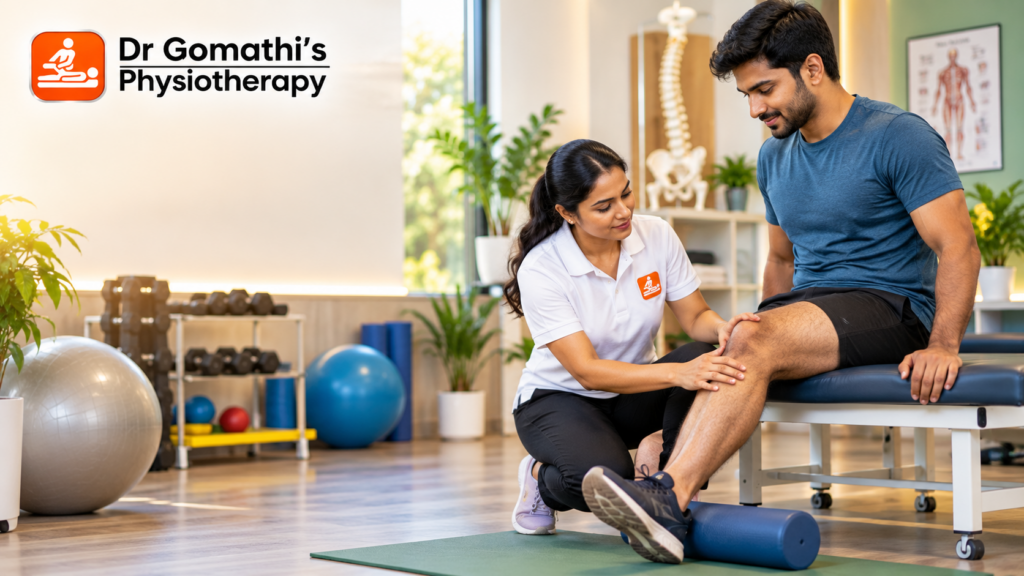
“`html Knee Pain Physiotherapy · Bommanahalli, Bengaluru Knee Pain Physiotherapy in Bommanahalli: Exercises, Recovery & When to Seek Help Understand common reasons for knee pain, how physiotherapy may support recovery, what rehabilitation can involve, and when professional assessment may be useful. Book Your Consultation Mon–Sat: 9 AM – 9 PM | Sun: 9 AM – 3 PM | +91 81055 86320 Knee pain can make everyday movement feel unexpectedly difficult. Walking, climbing stairs, standing for long periods, getting up from a chair or returning to exercise may become uncomfortable. If you are looking for knee pain physiotherapy Bommanahalli, a personalized assessment can help understand your symptoms and determine whether physiotherapy may be suitable for your needs. Why Does Knee Pain Happen? Knee pain can develop for a variety of reasons. Sometimes it follows an obvious event, such as a sports injury, awkward movement or sudden increase in physical activity. In other cases, discomfort appears gradually and becomes more noticeable during everyday activities. The knee works together with the hip, ankle and surrounding muscles during walking, standing, running, squatting and climbing stairs. Because movement is shared across the lower limb, a proper assessment may consider more than the painful area itself. Daily activity levels can also influence how the knee feels. A long period of inactivity followed by a sudden increase in exercise may place a different demand on the body from a person who is physically active on a regular basis. Previous injuries, reduced strength, limited mobility and changes in movement can also be relevant. This is why knee pain should be assessed according to the individual rather than managed with a single routine for everyone. Common Reasons People Develop Knee Pain While the cause differs from person to person, knee discomfort can be associated with different physical and activity-related factors. Muscle weakness affecting support and movement around the lower limb Sudden changes in activity such as quickly increasing walking, running or gym training Sports-related injuries caused by an unexpected movement or impact Previous knee injuries that continue to affect movement or strength Restricted mobility around the knee, hip or ankle Repetitive loading during exercise, work or everyday activities Difficulty with movement control during activities such as stairs or squatting Reduced physical activity that may affect general strength and mobility A physiotherapist can assess the relevant movement and functional factors and help determine whether rehabilitation is an appropriate next step. When Should You See a Knee Physiotherapist? Not every episode of knee pain means that you need immediate physiotherapy. Some mild problems may improve with appropriate activity modification and time. A professional assessment may become useful when pain persists, repeatedly returns or starts interfering with normal activities. Consider seeing a physiotherapist if you experience: Knee discomfort while walking or using stairs Difficulty standing up or sitting down comfortably Reduced confidence when exercising Stiffness that affects your daily routine Pain that keeps returning after activity Difficulty returning to normal movement after an injury Reduced strength or movement around the affected leg Important: Physiotherapy is not a replacement for urgent medical care. Seek appropriate medical evaluation for severe or rapidly worsening symptoms, major trauma, an inability to bear weight, significant weakness, severe swelling, fever or other concerning symptoms. How Physiotherapy Can Support Knee Rehabilitation Knee rehabilitation is generally about more than reducing discomfort. Depending on the individual’s presentation, physiotherapy can focus on improving movement, strength, mobility and the ability to perform useful daily activities. A rehabilitation plan may be built around the person’s current abilities and gradually progressed as movement and tolerance improve. Mobility exercises for relevant movement restrictions Strengthening exercises for the muscles supporting the lower limb Movement-control exercises for functional activities Balance and coordination work when appropriate Therapeutic exercise based on the person’s current condition Activity guidance for work, exercise and everyday movement At Dr. Gomathi’s Physiotherapy, rehabilitation is personalized according to the individual’s symptoms, physical assessment and functional requirements. What Happens During a Knee Physiotherapy Assessment? An assessment is an important part of deciding how to approach knee pain. Instead of focusing only on where the knee hurts, the physiotherapist may consider how symptoms developed and what movements currently cause difficulty. Discuss your symptoms. You may be asked when the pain started, what activities affect it and whether it has changed over time. Review your activity level. Exercise, work demands, walking habits and previous injuries may provide useful background. Assess movement. Relevant knee, hip and lower-limb movements may be evaluated according to your symptoms. Consider strength and mobility. Appropriate checks can help identify physical factors that may be affecting function. Identify relevant contributing factors. The assessment can help connect symptoms with movement and activity patterns. Create a personalized rehabilitation plan. Exercises and treatment strategies can be selected according to the individual’s needs. Review progress. The plan can be adjusted as movement, strength and tolerance improve. Knee Pain Exercises: Why the Right Progression Matters Exercise is often an important part of rehabilitation, but the right exercise for one person may not be suitable for another. The level of resistance, repetitions, range of movement and overall activity should reflect the person’s current condition. Early rehabilitation may focus on comfortable movement and basic strength before progressing toward more demanding functional activities. As tolerance improves, exercises may become more challenging to reflect the activities the person wants to return to. Someone working toward comfortable walking may have different goals from someone returning to gym training or sport. This is why following a structured plan can be more useful than repeatedly trying random exercises from the internet. Knee Rehabilitation for Everyday Activities Knee pain does not only affect exercise. It can also change the way you move through ordinary parts of the day. Walking around the home or workplace Going up or down stairs Standing after sitting for a period of time Getting in and out of a car Performing household activities Returning to normal recreational movement A useful rehabilitation plan should therefore consider the activities that matter most to the individual. Improving